 High Class Hustle / The real ask
“That's What I Needed”: How to Write a Better Creative Brief
A flyer, a website, a fresh start. Sometimes the thing we request and the result we hope for are two different conversations. One thoughtful question can bring them together.
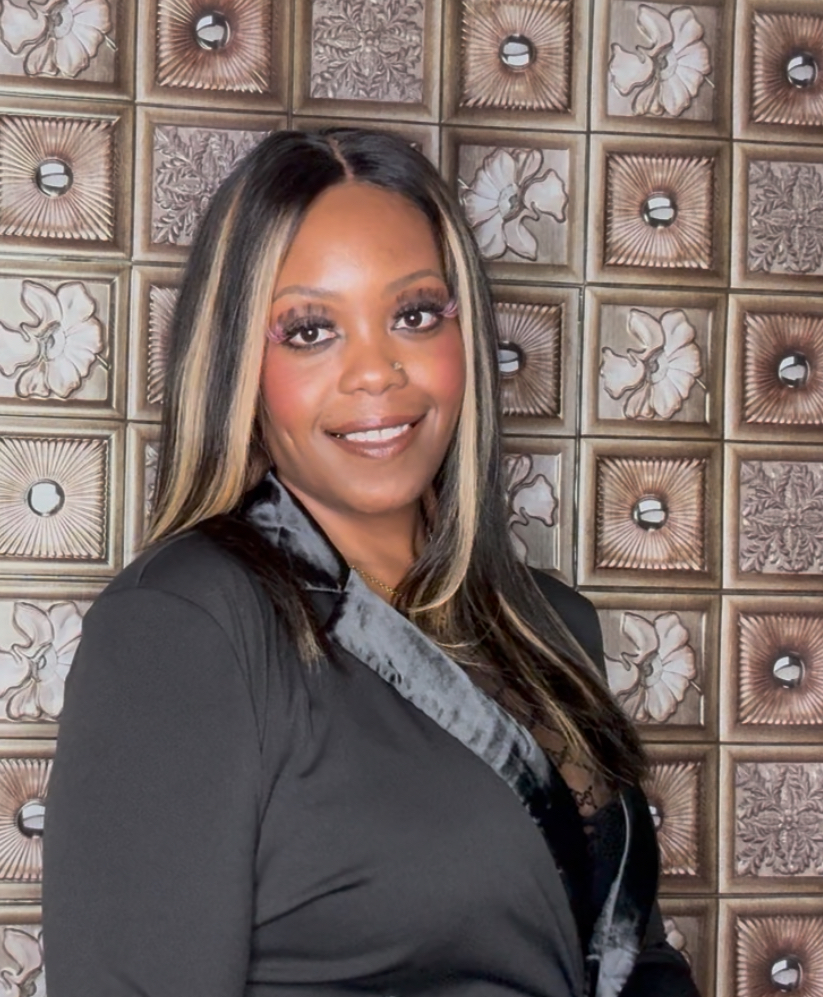 Sarah Swann
High Class Hustle · Practical business clarityAbout 9 minutes
“I need a flyer.”
A completely normal request. Maybe there's an event coming up, people to invite, and approximately 47 other things to handle. 😂 You're trying to get something off the list, not write a dissertation about graphic design.
But imagine the finished flyer is gorgeous. The colors are right. The fonts have personality. It gets compliments. Then someone asks, “Where is it?”
That question changes the conversation. The flyer may look like exactly what you ordered. It still hasn't done one of the jobs you needed it to do.
That's the question I like asking before a project gets too far along. Whether you're hiring a designer, planning a service, or creating an offer of your own, it can help you make the final result more useful—and make the working relationship feel a whole lot clearer.
Inside this article
The thing and the reason are both part of the project
The deliverable is the thing you receive: the website, flyer, photo gallery, service plan, or organized workspace. The desired outcome is what you hope becomes easier because it exists.
Someone asks for a website. They may want a polished home for their work. They may also need visitors to understand their services, recognize a good fit, and know how to get in touch without sending three messages first.
Someone asks for help getting organized. They may love a beautiful planner. But if they can't keep up with it next Tuesday, the prettiest pages in the world won't make it practical for their life.
That's why a good brief holds room for both: the experience you want and the job the work needs to do. Design and function should be in conversation.
If you've read my piece on visibility versus position, you already know how much it matters for people to understand where your value fits. A creative project deserves that same clarity.
The beautiful flyer test: cute is welcome. Directions are essential.
Let's use a fictional workshop flyer as an example. It has flowers, an RSVP moment, and enough glamour for an entire grand entrance. I love a production. But an invitation still has to help somebody show up.
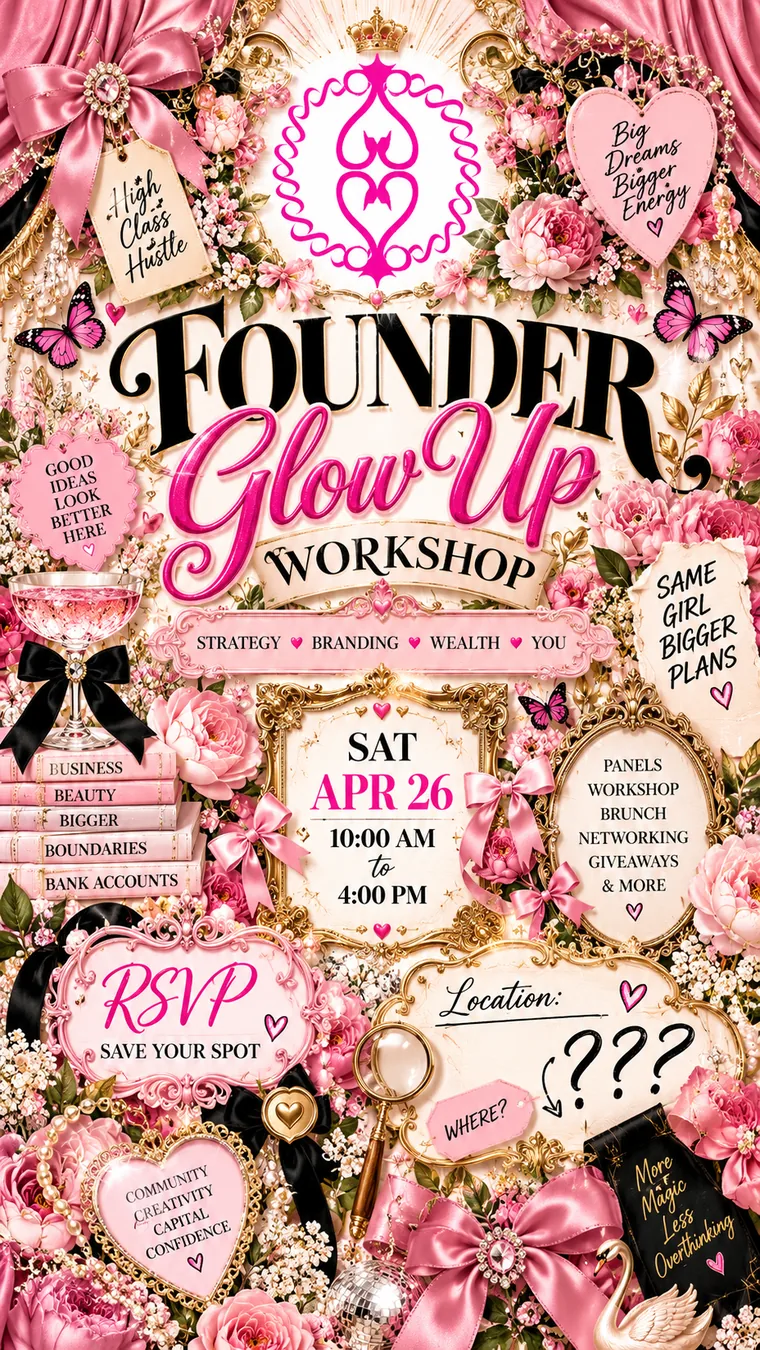
Now imagine you were asked to design it. Before choosing a font, you might ask who needs to read it. Is this going into a group chat? Printed for a storefront? Posted to Instagram Stories? Those answers change the size of the text, the amount of detail, and how people can respond.
What an event flyer may need to communicate
- What: the event name and what guests can expect.
- When: the full date, starting time, time zone if relevant, and any arrival instructions.
- Where: a usable address or clearly explained online access details—not merely a venue nickname.
- Who: who it's for, especially if registration or eligibility matters.
- Next step: where to RSVP and whether there is a deadline, cost, or attendance limit that has actually been confirmed.
- Access: relevant parking, entry, accessibility, or contact details when those will affect attendance.
You may not squeeze every logistical detail onto one small graphic. Sometimes a landing page or RSVP link can carry the rest. The point is to make the essential information findable without detective work.
“Make me a pretty flyer” becomes “Help people understand the invitation and know how to attend.”
Now the designer can still be creative. They just have a better idea of what the creativity must support.
What this looks like for websites, photography, and services
Not every project needs a lengthy document. But almost every project benefits from naming what the work should make possible.
| The request | What they might actually need | How they'd recognize a good result |
|---|---|---|
| “I need a website.” | A credible place to explain services and make contact simple. | A visitor can identify the service, understand who it's for, and locate the contact path. |
| “I need brand photos.” | Images that fit the places they'll be used, from profile pictures to web banners. | There are usable crops in the right formats, and the images feel recognizable. |
| “I need a flyer.” | An invitation that helps the intended audience decide and attend. | Event details are legible and the RSVP route works. |
| “I need help getting organized.” | A routine or layout that fits the person's actual workweek. | They can find the next task and continue using the system without a fresh restart. |
| “I need a service package.” | A clear starting option for a specific customer need. | Someone understands the scope, what they'll receive, and what happens next. |
Notice the language: might and can. These are examples of possible goals, not assumptions about what every buyer wants. The person receiving the service gets to define what matters to them.
For businesses, this often connects to a second question: once someone understands the value, where does their yes go? I unpack that journey in Where Does the Yes Go?
Seven questions worth asking before you pay for creative work
These are the conversations I'd rather have before anyone is disappointed. You don't have to make them formal. You do want the answers to be clear.
- What needs to be easier when the work is finished? This reveals the practical purpose without flattening the creative vision.
- Who will use or see it? An invitation for a close-knit group works differently from an ad seen by strangers.
- Where will the finished work appear? A printed page, website, social feed, storefront, and email each have different limits.
- What's essential, and what's a preference? A street address may be essential; a particular flower illustration may be a preference. Both deserve consideration, but they aren't interchangeable.
- What exactly will be delivered? Clarify file formats, dimensions, access, whether source files are included, and who owns or may reuse the work.
- How do reviews and changes work? Discuss who provides feedback, revision scope, schedule, approvals, and additional fees before either side assumes.
- How will we know it's ready? Agree on a realistic quality check: accurate details, working links, readable text, usable files, and alignment with the original purpose.
If you're the person providing the service, you can ask these kindly. If you're buying, you're allowed to ask them without feeling difficult. Clear expectations protect the relationship on both sides.
Try it: build your own one-minute creative brief
You can use this for a designer, photographer, web project, service provider—or your own next offer. There are no scores and no perfect answers. Start with what you know, and leave room for a professional to bring their expertise.
Turn “I need…” into “Here's what I hope it does.”
Your answers stay in this browser. This tool doesn't submit your information to Pink Swann.
Here's the real value of that short paragraph: it gives both parties something specific to discuss. A good provider might refine it, point out a hidden requirement, or recommend a simpler first step. That isn't a failure of the brief. It's the beginning of a better conversation.
How a thoughtful provider turns the brief into a better experience
There's something generous about being curious before trying to impress someone. It lets the customer feel heard, while giving the professional a real chance to use their judgment.
“Absolutely, we can work on that. Before I get too far into the design, what would make the finished piece feel genuinely useful to you? And what's the one detail your audience absolutely needs to understand?”
After that, the professional can summarize the request back in plain language. For example: “We're creating an invitation that feels celebratory and makes the event easy to find. I'll make the time, location and RSVP clear, while keeping the look you love.”
That summary is worth more than a vague promise that everything will be “amazing.” It gives both people a shared definition of the assignment.
A simple handoff check
Before calling the project finished, use the result in the place it's meant to live:
- View the flyer on an actual phone, not just a designer's large monitor.
- Ask someone unfamiliar with the event to locate the address and RSVP.
- Open the website contact route without being logged into the owner's accounts.
- Check a photo crop in the banner or profile where it will appear.
- Try the organization method during a normal workday, not only on setup day.
These checks are small, practical ways to test the outcome—not guarantees that a project will generate sales, attendance, or any particular business result.
This approach is consistent with a larger design principle: first understand the challenge, then define the work, make it, and test it. The Design Council's Double Diamond describes that progression, and Nielsen Norman Group's work on task analysis explains why understanding what people are trying to accomplish matters when shaping an experience.
If you sell services, listen for the result beneath the request
There's a business lesson hiding inside this little flyer story.
Sometimes people come to you already knowing the service name. Sometimes they only know what's frustrating them. Both are real starting places. The way they describe the problem can reveal which part of your expertise is most useful to them.
Pay attention to the requests that repeat. Are people consistently asking for something clearer, simpler, more polished, less time-consuming, or easier to share? Those patterns may help you describe an offer in language customers can recognize.
They can also help you decide what belongs in a first service, what needs a conversation, and what deserves its own separate offer. That's different from automatically recommending the biggest package to every person who asks for help.
When people repeatedly arrive interested but unsure what to choose, the problem may extend beyond one deliverable into the way your business explains its offers. That's the question behind making the next step easier to understand.
A few questions that come up a lot
What should a simple creative brief include?
Name the deliverable, audience, intended use, desired outcome, required content, visual preferences, scope, timing, handoff format, and how you'll approve the finished work. For small projects, a clear paragraph may be enough.
What if I don't know exactly what I want yet?
Start with what you want to become easier and what currently isn't working. A good discovery conversation helps shape possibilities before anyone commits to one solution. You can have a meaningful goal without already knowing the right format.
Should I hire the designer before I have every detail?
You can explore an idea before everything is settled, but be upfront about what's undecided. Confirm how discovery, revision, deadlines and additional work are handled before paying or agreeing to a final scope.
Does an attractive flyer really need a street address?
Not every flyer does. For online events, private invitations, or registration-based locations, a clear access route may be more appropriate. What matters is that the invited person can find the information they need to participate.
How do I know the project was successful?
Begin with the agreed purpose. Can the intended audience find the necessary information or complete the intended step? Check factual accuracy, usability and fit. Larger outcomes—such as sales or attendance—depend on many factors beyond the design itself.
What are people already coming to you for?
If you're building a business around your skills, the free Money Moves Map™ can help you organize what you already know, do and get asked to do—and see where a clearer first offer might begin.
Build your free Money Moves Map™A practical starting resource, not a promise of revenue or a required purchase.
Sarah Swann
Founder of Pink Swann and the voice behind High Class Hustle. I write about building a business people can understand, trust and actually work with—without making everything harder than it needs to be.