The visible moment is rarely the whole work.
A resource reaches a family because someone first confirmed what was needed.
A community event opens its doors because someone checked the space, coordinated the time, prepared the materials, and followed up with the people involved.
A partnership appears simple because expectations were clarified before the public saw the result.
Care can also look like:
This is the work beyond the visible moment.
It is quieter than a campaign image. It may not produce the most dramatic story. But it often determines whether people experience support as dignified, useful, and trustworthy.
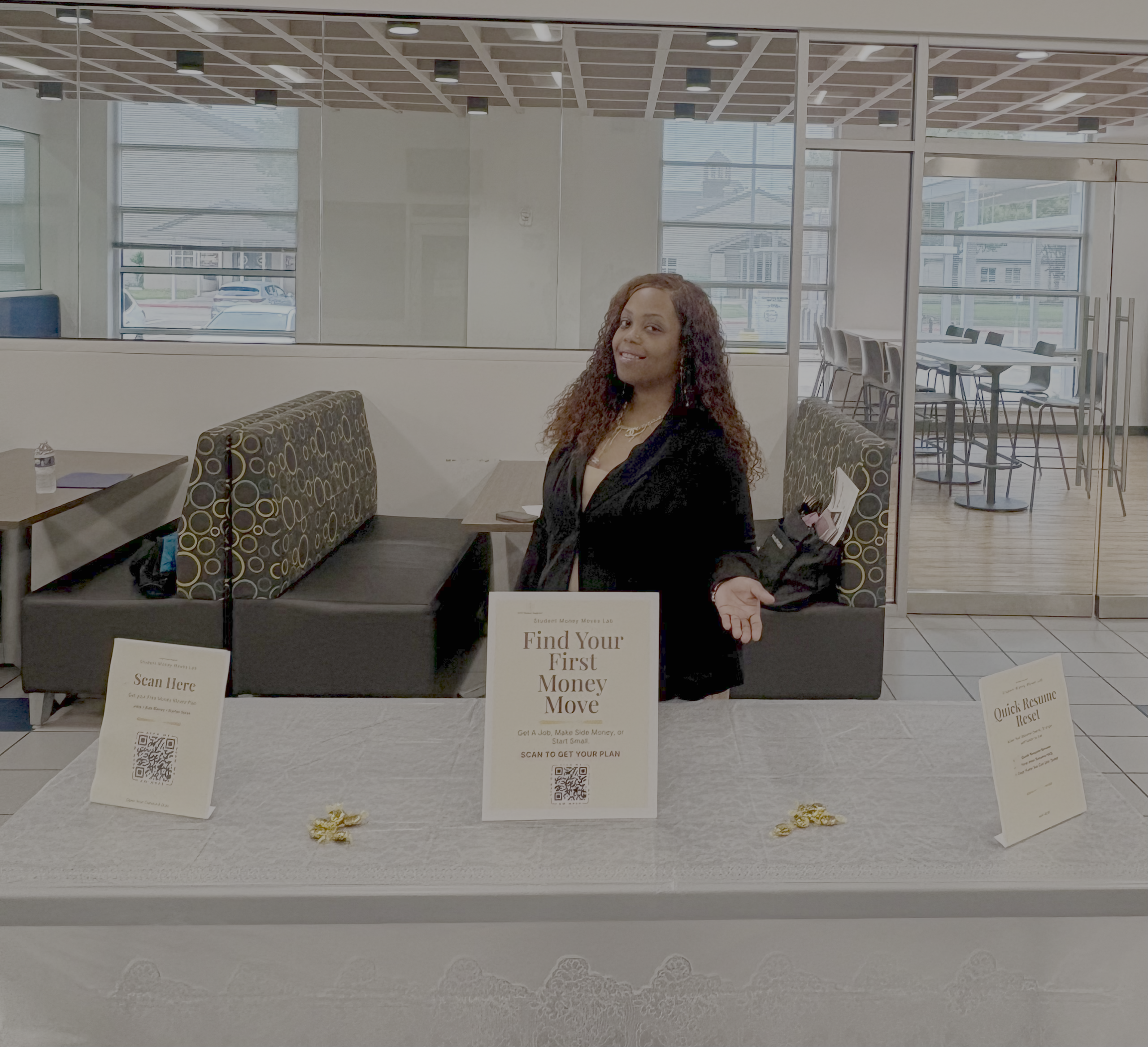
Preparation is part of community care
Good intentions are not a substitute for preparation.
A contribution can be generous and still create unnecessary work if it does not match the actual need. An event can be well attended and still leave people confused if the experience is not clearly organized. A partnership can sound meaningful and still become difficult if responsibility remains unspoken.
Preparation asks practical questions before resources, people, or promises start moving:
What is needed now?
Start with the current need, not the contribution already available. This reduces the chance of creating extra sorting, storage, coordination, or emotional labor for the people the work is meant to support.
Who has already been consulted?
The people closest to the situation may understand timing, culture, access, risk, logistics, and priorities that are not visible from the outside. Consultation helps prevent care from becoming assumption.
What can be responsibly delivered?
A smaller commitment completed well can be more trustworthy than a larger promise that depends on last-minute improvisation. Capacity is part of stewardship.
Who is accountable for each part?
Name who confirms, receives, stores, communicates, delivers, records, and follows up. Shared care still needs clear ownership.
What information should remain private?
Not every fact that explains a need belongs in public communication. Responsible outreach separates what the team needs to know from what an audience is entitled to know.
What happens after the visible moment?
Decide who confirms completion, communicates with partners, records resources, responds to unresolved needs, and captures lessons for the next effort.
The Stewardship Checklist™
Before a community initiative moves into the visible stage, confirm these six things:
- The current need has been confirmed.
- The appropriate people have been consulted.
- Available resources match the actual need.
- Responsibilities are clearly assigned.
- Private information has been protected.
- Follow-through has already been planned.
Deliverable: one documented readiness check before resources, people, or public attention begin moving.
Dignity is part of care
People do not owe the public their vulnerability in exchange for support.
Families do not have to become a story.
Children do not have to become content.
Communities do not need to be described only through what they lack.
Responsible outreach can explain the purpose, acknowledge participation, and document stewardship without turning another person's life into a promotional device.
Dignity changes the camera angle. It changes the caption. It changes which details remain private. It changes who gets to speak.
Instead of asking, “What image will prove this mattered?” a more useful question is:
Follow-through is part of care
The public moment may end at a particular time. Responsibility does not always end there.
Someone may still need information. A partner may need confirmation. A resource may need to be accounted for. A lesson may need to be documented. A future pathway may need to be improved.
Follow-through is how an organization shows that the work mattered after the visible moment stopped producing attention.
A simple close-the-loop practice
Within an appropriate window after an initiative, document four things:
- What was completed?
- What still needs attention?
- Who needs a confirmation or response?
- What should change before this happens again?
That record is useful even if it is never posted publicly.
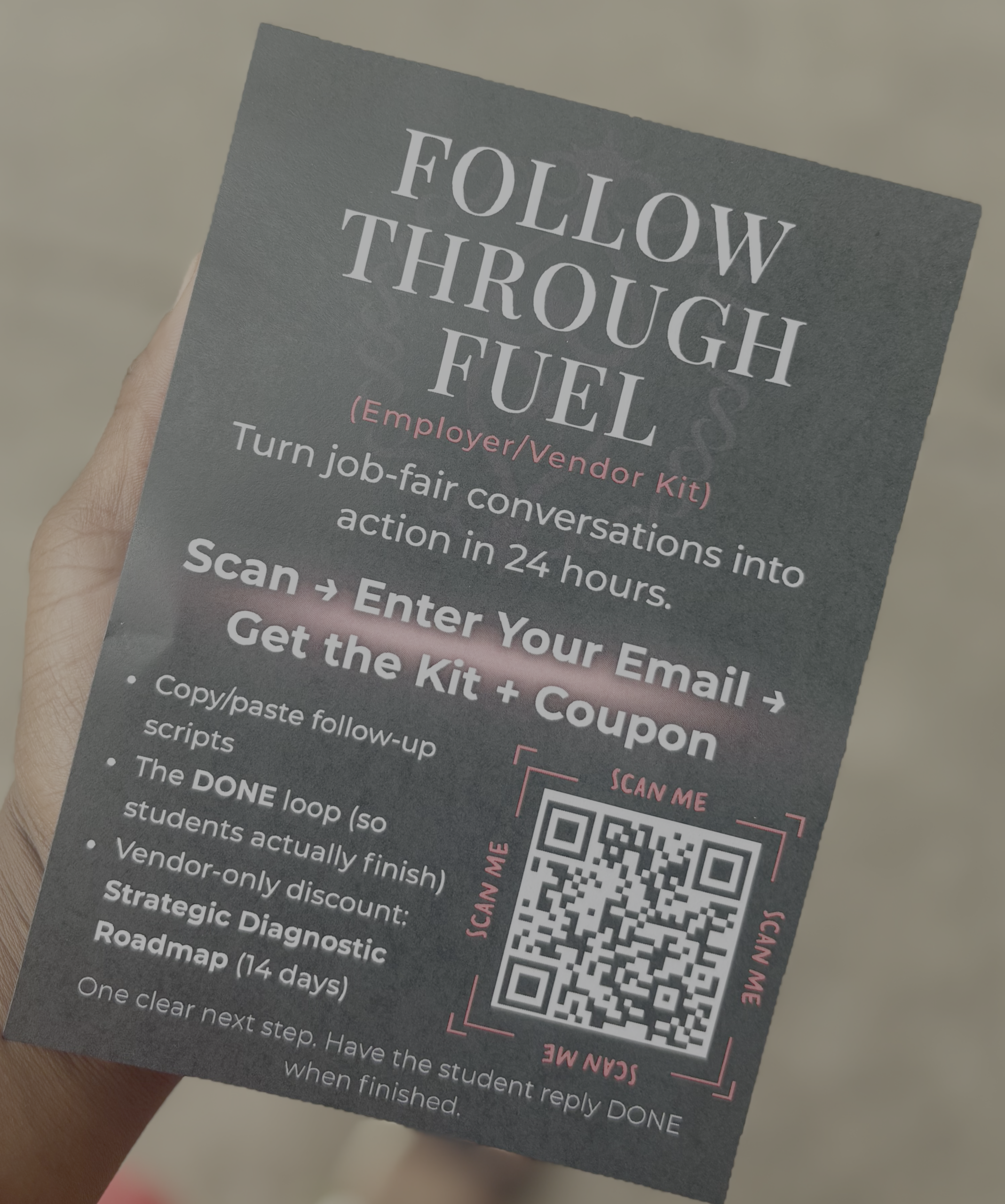
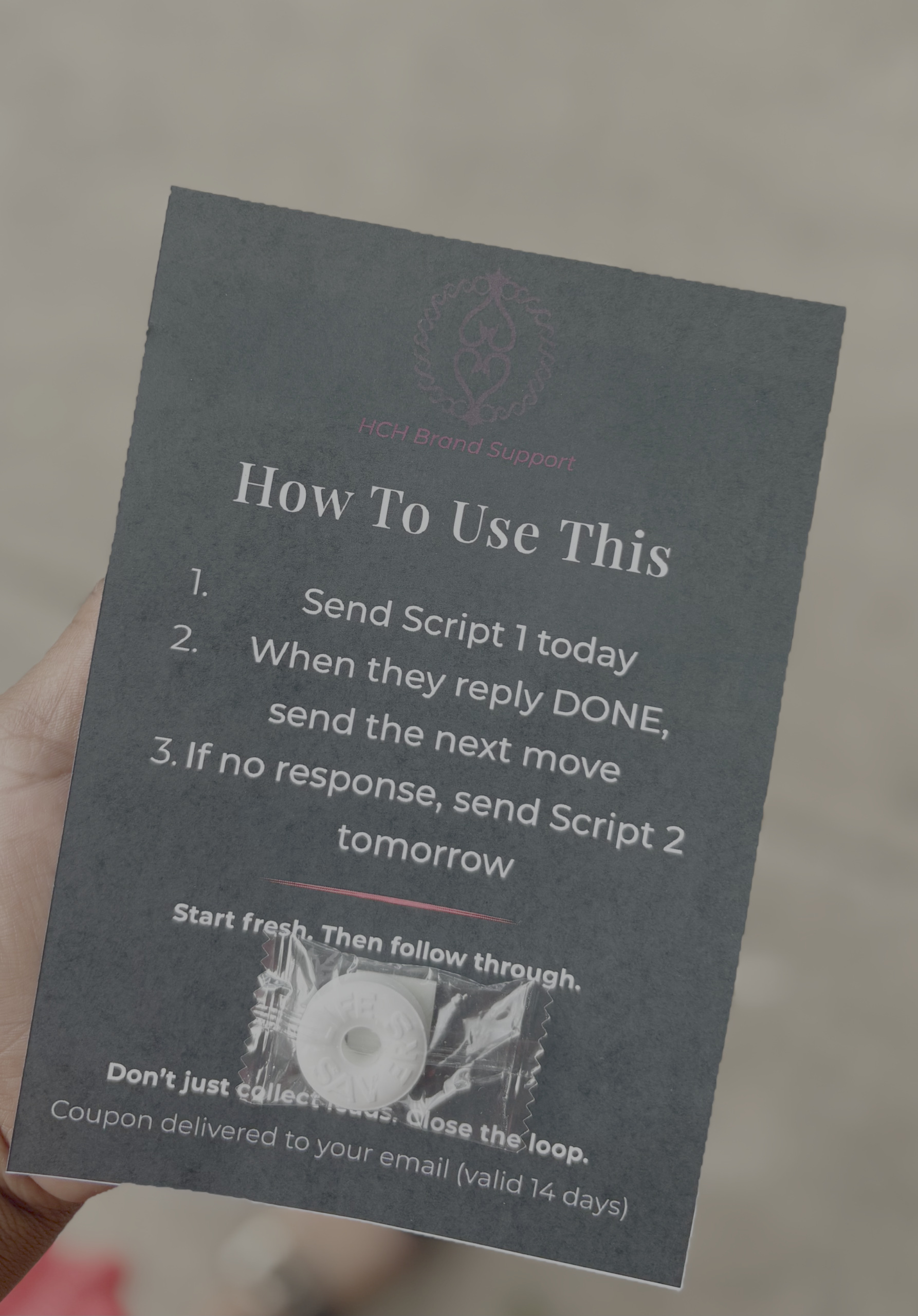
Documentary proof · Student Money Moves Lab Outreach
Follow-Through Fuel
At the LE Job Fair, vendors received a practical follow-up piece designed to help move the conversation beyond the event itself. The point was not another giveaway. It was a next step someone could keep and use.
Support should have a clear purpose
Not every person supports community work in the same way.
An individual may have time. A business may have a service or resource. A school or church may have access to a community. A nonprofit may have expertise. A family may have lived knowledge that should shape the work. A professional may be able to solve a specific operational problem.
The goal is not to gather support without direction.
The goal is to connect the right contribution to a real and current need.
Crown Outreach is continuing to clarify those pathways under The Work Beyond the Crown™. No unsupported impact claim is being made here, and no contribution is being presented as automatically appropriate.
What responsible proof can look like
Proof does not have to begin with a photograph of the person receiving support.
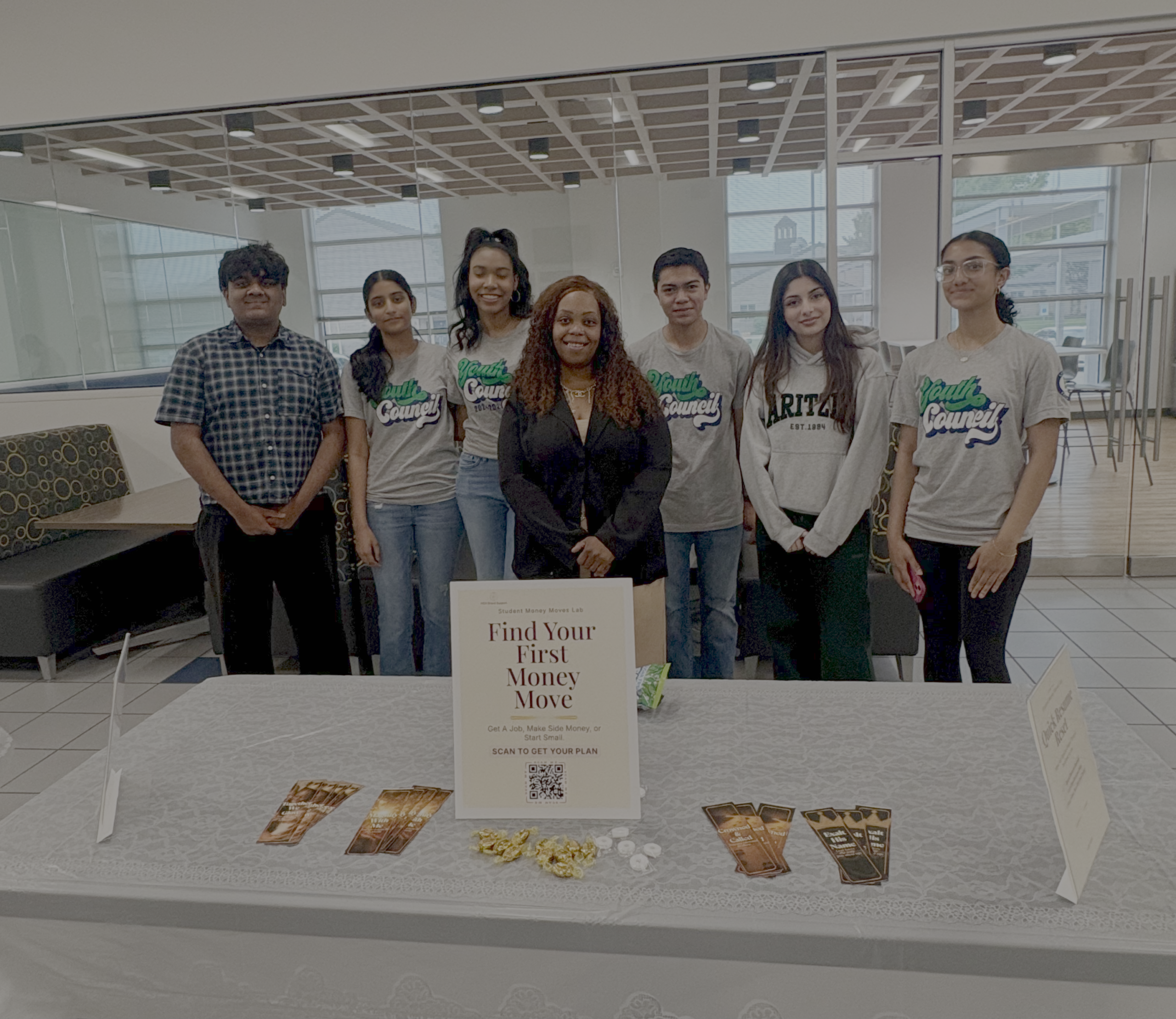
Useful proof artifacts can include:
A record that shows the work was planned before it became public.
A permission-cleared record that expectations or responsibilities were confirmed.
A factual account of what was prepared, assigned, received, or completed.
Documentation of what still required attention after the visible moment.
Materials, tables, signs, packets, or preparation before participants arrive.
A documented change made because the team learned something useful.
This kind of evidence may be quieter. It is also often more respectful and more useful to the people responsible for improving the work.
Community care and responsible outreach: common questions
What is community care?
Community care includes both visible support and the work that makes support responsible: confirming needs, preparing resources, communicating clearly, protecting privacy, and following through.
Why is preparation important in community outreach?
Preparation helps a contribution match a current need, clarifies who is responsible for each part, protects private information, and gives the organization a realistic plan for delivery and follow-through.
What makes community support responsible?
Responsible support starts with a real need and an appropriate contribution. It also requires clear expectations, capacity, privacy, accountability, and communication after the visible moment ends.
How can an organization document community work without exploiting people?
Focus documentation on preparation, stewardship, process, permission-cleared participation, factual resource records, and follow-through. Private hardship does not have to become promotional proof.
Why does follow-through matter after a community event?
Follow-through closes unfinished loops. Partners may need confirmation, unresolved needs may require information, resources may need to be accounted for, and the organization may need to document improvements for future work.
What kind of support are you prepared to offer?
Reply SUPPORT and share the kind of contribution you or your organization may be prepared to offer.
The next step will be based on the current need—not pressure to make an immediate commitment.
Reply SUPPORTEditorial note: Current needs, contribution fit, timing, privacy requirements, and available participation pathways may vary by initiative. Expressing interest does not guarantee that a particular contribution will be accepted or used.